Table Of Content

In the case of a heart attack, they can give patients thrombolytics – or "clot-busting drugs" – on board until they can get them to a cardiac catheterization lab, which the vessels do not have. Cruise ship doctors can prescribe antibiotics, so if they deem you have an infection then they can provide you with the medication immediately. If you are already taking antibiotics but lose your tablets, you can get replacements from the ship’s medical centre but expect to pay for a consultation and your tablets too. Costs to see a doctor vary by cruise line, but expect to pay around $100 for a consultation during office hours.
Popular Travel Insurance Plans
They can also, if necessary, stabilize more serious medical conditions until the ship can dock at a port with more sophisticated medical facilities. While cruise ship medical facilities can offer initial care, it's crucial to remember that they might have a different capacity than a full-service hospital on land. When it comes to your health and safety on a cruise ship, it’s important to know that you’re in good hands. Most cruise ships are equipped with medical teams consisting of doctors, nurses, and medical assistants who are available 24 hours a day to provide medical care to passengers and crew members. Our doctors also have access to online informational resources and 24-hour support from shoreside medical professionals for additional assistance. Royal Caribbean Group also requires all doctors and nurses to maintain Advanced Cardiac Life Support (ACLS) training.

What can cruise ship medical facilities treat?
This is a strategic choice – away from the hustle and bustle of crowded areas and conveniently close to crew facilities. This arrangement is especially reassuring for solo travelers over their 50s, who can feel confident about accessing medical services easily, regardless of the time of day. This means that cruise ship doctors and nurses have the same exact credentials as any other “real doctors” would on land. They have tons of medical experience from minor illnesses to emergency critical medical situations. All major cruise lines and fleets have onboard medical facilities (not to be mistaken for a hospital) that are staffed by experienced, reputable, and professional medical personnel.
Youth and Family
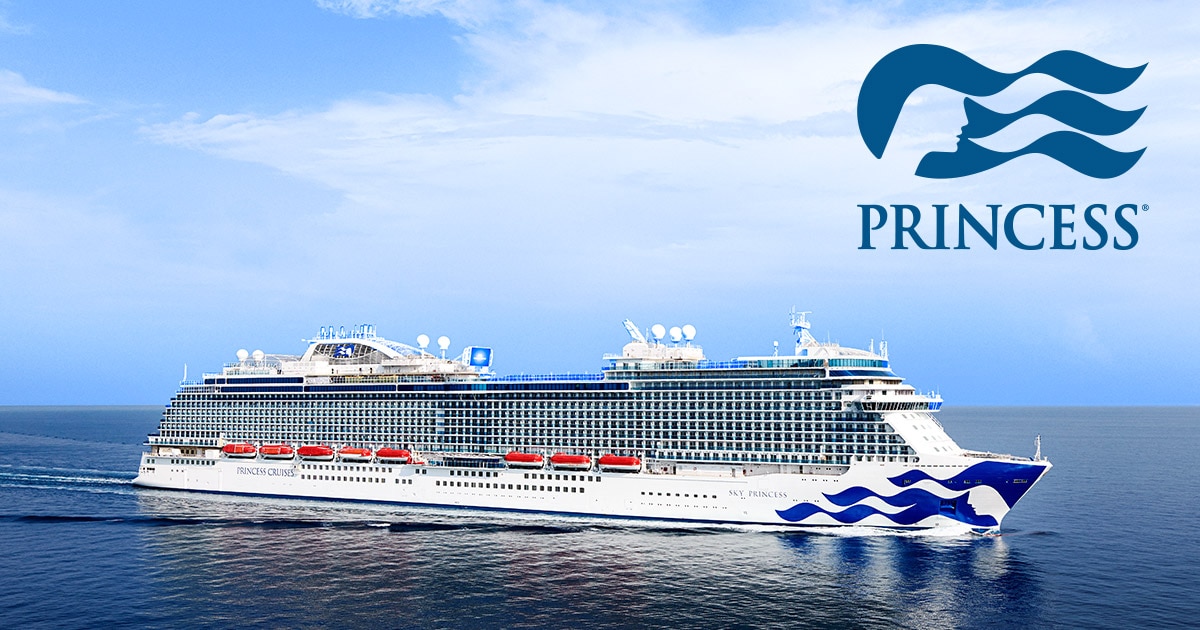
The medical team aboard the ship possesses the authority to determine whether a passenger is not fit to continue their journey at sea. For instance, as MSC Cruises outlines, passengers are disembarked if their condition could endanger their health or safety. In cases where a patient needs more intensive care than the ship can provide, medivac procedures come into play. The patient would typically be medically disembarked at the next port and transferred to a hospital on a stretcher. Whether you’re dealing with a minor ailment or something more significant, there’s a high chance the pharmacy can help. Boarding a cruise ship brings with it the excitement of the sea, but have you ever wondered what happens if someone falls ill onboard?
The one thing you may need to pay for is WiFi access since not all cruise lines offer this for free to their crew. But you can use the internet cafe on-board for free if there’s no charge. And you don’t need to pay for internet access while you’re working and doing admin, of course.
Costs and Insurance Considerations for Medical Care at Sea
As norovirus cases rise in California, doctors describe 2 things you should not do if you get it - KABC-TV
As norovirus cases rise in California, doctors describe 2 things you should not do if you get it.
Posted: Wed, 28 Feb 2024 08:00:00 GMT [source]
They are expected to stabilize seriously ill patients, perform reasonable diagnostic and therapeutic interventions, and help evacuate seriously sick or injured patients. Doctors and nurses also are required to be fluent in the predominant language of the ship. Here's a look at what to expect regarding cruise ship doctors and medical facilities, procedures and policies if you get sick on a cruise. If you're trying to stay as healthy as possible on your vacation, read our advice on how not to get sick on a cruise. The American College of Emergency Physicians, in conjunction with the Cruise Lines International Association, sets strict standards for who treats patients, as well as guidelines for medical facilities, on ships operating from the U.S.
The best background would be an emergency doctor, but if you’ve only worked in primary care then you can seek to gain the necessary experience in emergency and anaesthetics through other means too. If you just need seasickness tablets, you can get these from the medical centre on board. There may be a small change, but in rough seas, the seasickness medication is usually given out free of charge. Once we were taken to the medical centre, the paramedic assessed the wound and called for the doctor, who was also asleep at the time. They warned us beforehand that there would be an extra charge as it was out of hours. You’ll be able to speak to a member of the crew who will be able to page the doctor, and they will return to the medical station to see you.
Larger ships might have a second doctor and additional nursing staff. People do die on cruise ships, like anywhere — not just passengers but staff as well. And it isn't easy, especially when it's someone I know, because most people will need to see a doctor at some point on the ship. If you have travel insurance from Allianz Global Assistance, contact our 24-Hour Hotline Assistance to let us know what’s going on — even if you’re not yet sure how serious your medical problem is! The earlier we know about a potential emergency, the more time we have to lay the groundwork for assistance. Ask the shipboard doctor to keep your case manager apprised of your condition, in case we need to provide assistance.
How to Find a Cruise When You Have Accessibility Needs
While the convenience is unmatched, it’s worth noting that the cost of medications on board can be higher than your home pharmacy, but generally comparable to prices you’d find if you purchased them in a port. This includes seasickness medications, which are readily available and can be a lifesaver for those who are unsure if they’ll be affected by motion sickness. This is a small price to pay for the convenience and peace of mind provided by these pharmacies. Onboard pharmacies carry a surprising variety of medicines, ensuring passengers have access to essential medications for common health issues. The inventory, which varies by ship, includes everything from antibiotics and seasickness pills (often complimentary) to aspirin and other over-the-counter drugs. Beyond the cruise ship doctor, the medical team includes highly trained nurses, often with paramedic experience.
Essential treatment is normally covered by your travel insurance, but it’s important that you check your policy for any exclusions. Normally, you have to pay upfront for treatment and then claim it back from your insurance. All cruise ships with at least 100 passengers on board will have a doctor trained in emergency care. Smaller ships can vary, but most will still employ at least one medical professional, as they have a duty of care to their passengers. What’s great about these medical centers is that they cater to everyone on board – passengers and crew alike. So, whether it’s a minor ailment or something more serious, the medical team is there to help.
Cruise Ship Physician Assistants in St. Petersburg earn an average annual salary of $105,360. These healthcare professionals play a vital role in providing medical care to passengers and crew, contributing to the safety and health of those on board. As we look forward to more adventures at sea, it’s comforting to know that the industry’s response to health crises like COVID-19 has made cruising safer than ever. With well-stocked pharmacies, capable medical staff, and enhanced health protocols, cruise lines have demonstrated a steadfast commitment to ensuring a safe and healthy experience for all. Now, while the medical team is on call 24/7 for emergencies, for regular visits, you’ll want to go during their scheduled hours.
These hours are usually listed in the ship’s daily program, so it’s easy to plan your visit. While medical personnel are on call 24 hours a day, most passengers visit during scheduled hours. Carnival Cruise Line's facilities, for instance, are open on embarkation day from 8 to 9 a.m. If your medical condition requires treatment at a hospital, the doctor will work with the ship’s captain and/or your Allianz Global Assistance case manager to decide what to do. The ship may continue on its course and drop you off at a hospital at the next scheduled port of call. Or, in some instances, the ship may change course to reach port sooner.
There needs to be someone available to keep people safe, at least until they can receive further treatment on land. Most ship stores sell a limited supply of over-the-counter medications, usually at a marked-up rate from what you'd find at home. Cruise ship medical centers carry a more extensive selection of over-the-counter and prescription medicine, though nothing like your local pharmacy or hospital.




No comments:
Post a Comment